If you’re planning a trip to Peru’s Amazonas region and wondering whether the Revash Mausoleums and the Leymebamba Museum are worth visiting, the short answer is yes. The longer answer is that they might end up being the highlight of your time in Chachapoyas, not just another day trip. That’s exactly what happened to me.
Kuelap may have been what originally brought me to Chachapoyas, but Revash and Karajia were the places that stayed with me long after I left. The combination of a scenic hike, remarkable cliffside mausoleums, and one of Peru’s best regional museums far exceeded my expectations.
In this guide, I’ll share what it’s really like to visit the Revash Mausoleums and the Leymebamba Museum, what you’ll see, whether it’s better to join a tour or visit independently, and everything you need to know to plan your own trip.
Revash Mausoleums Overview
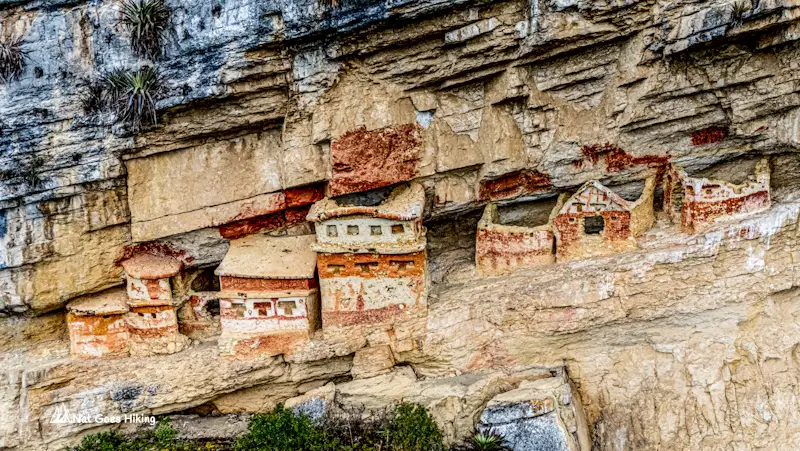
The Revash Mausoleums are one of the most remarkable archaeological sites in Peru’s Amazonas Region. They are unique funerary houses built high into a limestone cliff by the Chachapoya civilisation more than 500 years ago. They are unlike anything else I saw in Peru.
Revash Mausoleums: Quick Facts
- Location: District of Santo Tomás, Luya province, Amazonas region, about 60km south of Chachapoyas
- Name in Spanish: Los Mausoleos de Revash
- Built by: the Chachapoya civilisation
- Estimated age: around the 13th to 15th centuries AD
- Altitude: approx 2,800 m above sea level
- Distance from Chachapoyas: around 80 km (roughly a 3-hour drive)
- Access point: the village of San Bartolo
- Hike distance: about 4.1 km return from San Bartolo
- Hiking time: about 1 hour return
- Difficulty: easy to moderate, with some ups and downs
- Time at the site: allow around 30–60 minutes to explore and take photos (there are 2 viewpoints)
- Can you get there by public transport? Yes. It’s possible using colectivo to Yerbabuena and then mototaxi to San Bartolo, but the return transport may be unpredictable. Another option: you can hike up from Yerbabuena.
- Entrance fee: S/15
- Best time to visit the Revash Mausoleums: May to September, during the dry season, for the best trail conditions.
Leymebamba Museum Overview
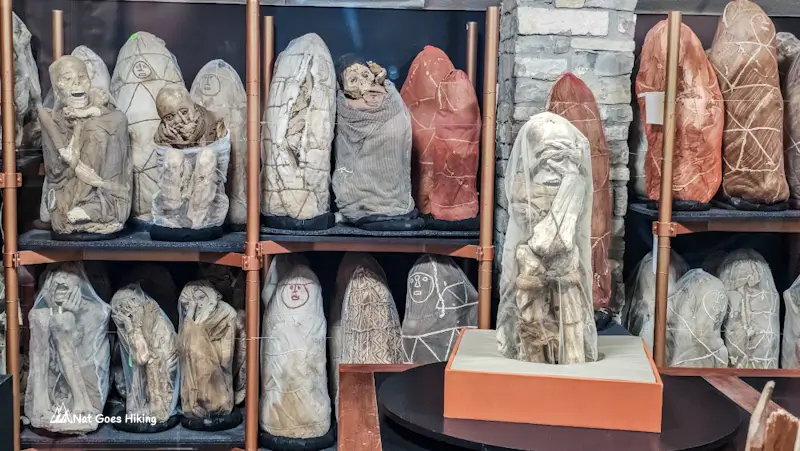
The Leymebamba Museum is much more than just a stop on a tour. It is home to around 200 remarkably preserved Chachapoya mummies recovered from Laguna de los Cóndores, along with ancient textiles and other artefacts. It’s one of the best regional museums in Peru. Visiting it after the Revash Mausoleums adds a whole new layer of understanding and brings the history of the Chachapoya people to life.
Leymebamba Museum: Quick Facts
- Location: about 3km south of Leymebamba town, Amazonas Region, northern Peru
- Name in Spanish: Museo de Leymebamba
- Distance from Chachapoyas: around 88 km (about a 3-hour drive)
- Best known for: about 200 remarkably preserved Chachapoya mummies recovered from Laguna de los Cóndores, one of Peru’s most important archaeological discoveries
- Other exhibits: ancient textiles, ceramics, wooden artefacts, quipus, burial offerings and objects from the Chachapoya culture
- Visit duration: allow around 1 hour
- Opening hours: 10 am – 4.30 pm
- Can you get there by public transport? Yes. Take a colectivo from Chachapoyas to Celendin and get off about 3 km south of Leymebamba
- Entrance fee: S/30
Revash Mausoleums and Leymebamba Museum Tour: What to Expect
Booking the Revash tour
We booked our Revash Mausoleums and Leymebamba Museum tour with Chachapoyas Travel for S/150 per person, which included transport, all entrance fees, lunch and a guide. Looking back, I think it was good value. We usually travel independently, but this was one of the few times when a tour genuinely made more sense. It meant we could visit both the Revash Mausoleums and the Leymebamba Museum in a single day instead of stretching the trip over two.
Something else to keep in mind is that this tour doesn’t run every day. We booked several days in advance, and at the time, only Chachapoyas Travel was able to confirm a departure because enough people had expressed interest. Other agencies told us they didn’t have availability that week. If visiting Revash is high on your list, I’d recommend organising the tour a few days before you want to go rather than leaving it until the last minute.

Revash Mausoleums and Leymebamba Museum Tour
Standard tour runs from 8.30 am to around 7 pm. Our tour started from 8:30 am at Chachapoyas Plaza de Armas. On the way, we picked up a group staying on the outskirts of Chachapoyas. We headed south through the rolling green hills of the Amazonas Region. The drive itself was part of the experience. It was a scenic ride along the Utcubamba River through a dramatic canyon.

There were only seven of us travelling in a large van, so it never felt crowded. Everyone had plenty of space, and the small group made the day feel relaxed rather than rushed. Our bilingual English-Spanish guide, Luis, was the same guide we’d had a few days earlier on our Gocta Waterfall tour, even though we’d booked through a different agency.

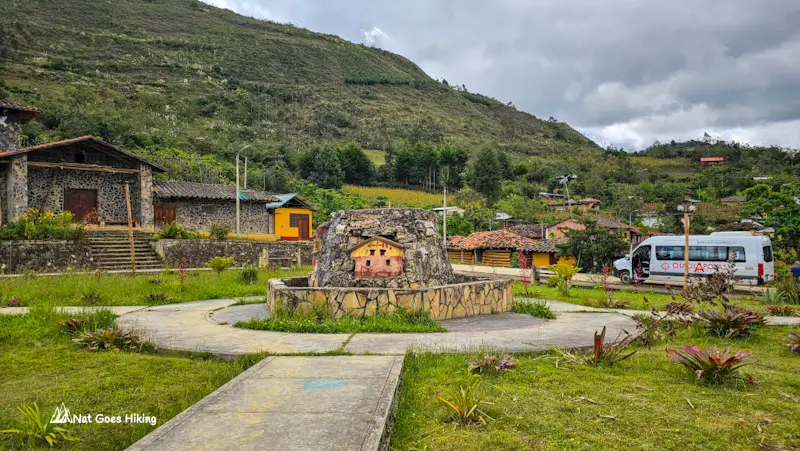
The access point for the Revash Mausoleums is the small village of San Bartolo, about 80 km from Chachapoyas. The last 26 km follow an unsealed mountain road, and it took us around three hours to get there.
In total, we spent around two hours hiking and exploring the Revash Mausoleums. One advantage of joining a tour is having a guide explain the history of the site. However, if you visit independently, you can hire a guide at the San Bartolo visitor office, where you also pay the entrance fee. There was no rush from our guide, and we had as much time as we wanted to enjoy the site. He also brought binoculars, which were very handy for getting a closer look at the mausoleums.

After exploring the site, we headed to the Leymebamba Museum. On the way, we stopped for lunch, which ended up being one of the better meals we had around Chachapoyas. We started with soup, followed by locro de zapallo amarillo, a traditional Peruvian pumpkin stew that was genuinely delicious.
The distance from San Bartolo to the Leymebamba Museum is 43 km. The drive took us about two hours, including the time we spent having lunch.
We arrived at around 4 pm and spent about an hour there until 5 pm, even though the museum is officially open until 4:30 pm. I assume the tour company arranges access in advance. Our guide gave us a tour of the museum, which was insightful and the perfect addition to our Revash visit.
At 5 pm, we headed back to Chachapoyas. The drive took about three hours, and we arrived at around 8 pm.
Hike from San Bartolo to Revash Mausoleums
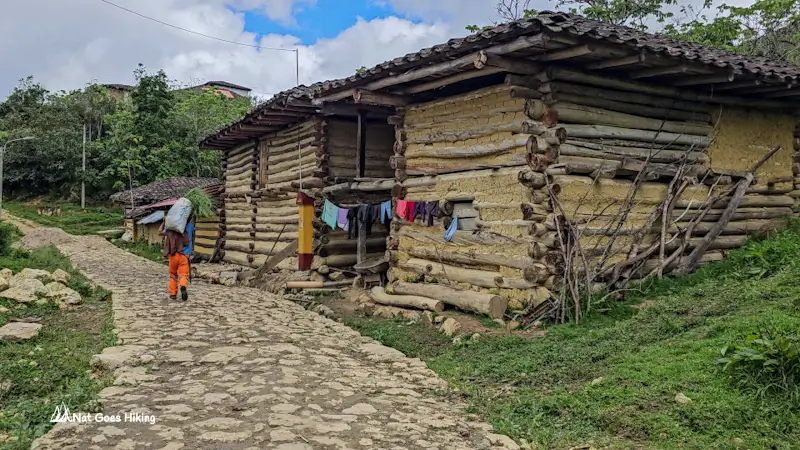
To get to the Revash Mausoleums, you need to hike about 2 km each way. We started walking through San Bartolo along a stone-paved path, which later turned into a well-maintained hiking trail.
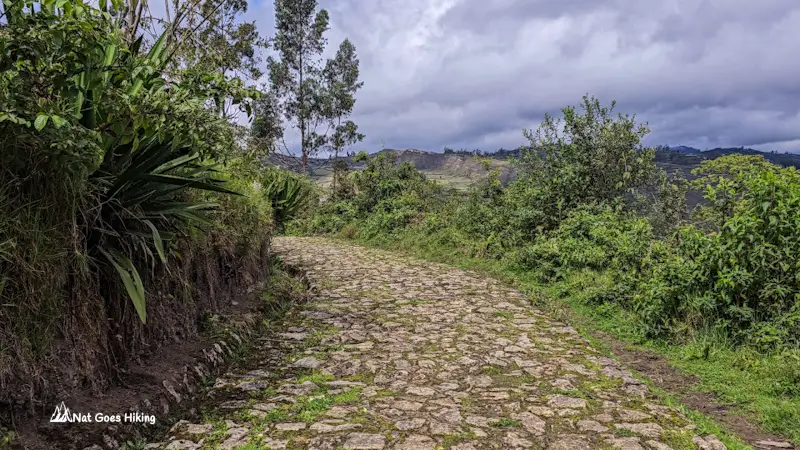
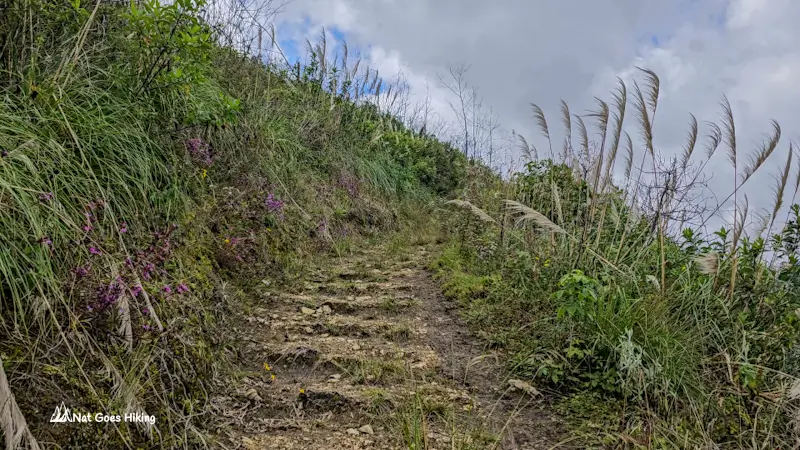
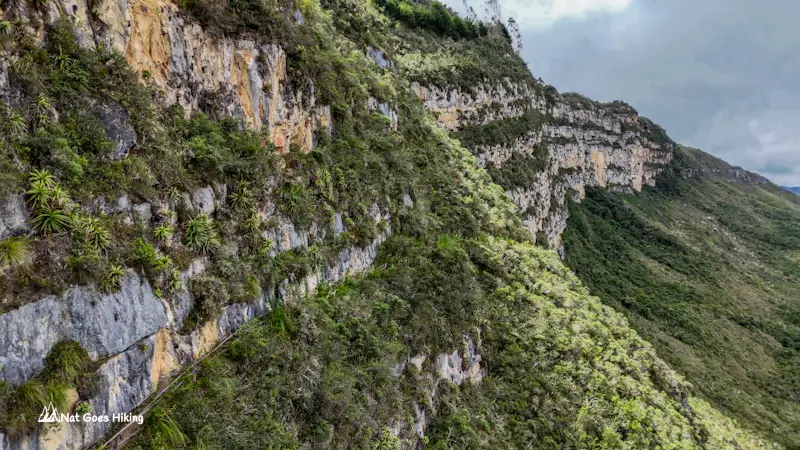
The hike goes up and down several times, but overall, it’s an easy and pleasant walk. It took us about 30 minutes to reach the Revash viewpoints. The views along the way are scenic, with a lush valley, an exposed rock face opposite revealing layers of limestone, patchwork fields rolling over the hills, and clouds sitting low in the mountains.
Exploring the Revash Mausoleums
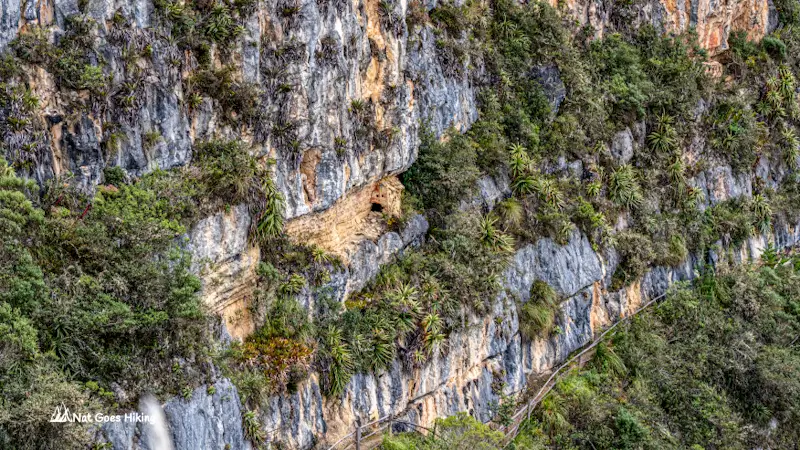
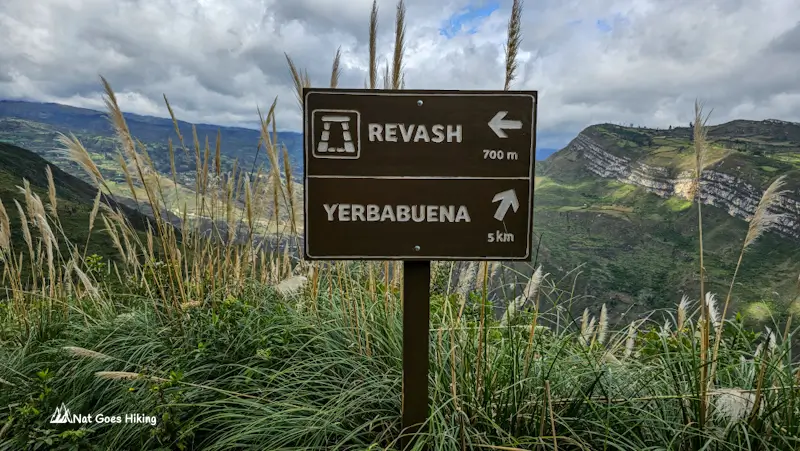
For some time, we walked with views of the valley below and an exposed cliff face on the opposite side. Once we reached the “Revash Archaeological Site” sign, we could see a small mausoleum on the left in the distance. I hadn’t seen this one in photos of Revash before.

You need to walk another 400 m to reach the two main viewpoints, where you can see the two main groups of mausoleums from a different angle. One viewpoint is lower, while the other is higher. Our guide, Luis, brought binoculars, so we all took turns having a closer look at the mausoleums.


The Revash Mausoleums are small funerary houses with small windows and pitched roofs. They were built into a hollow in the rock face that the Chachapoya people either found or carved themselves. Some still preserve traces of the original red ochre paint used to create geometric patterns, crosses, and decorative bands. It’s amazing that any of it has survived after more than 500 years.
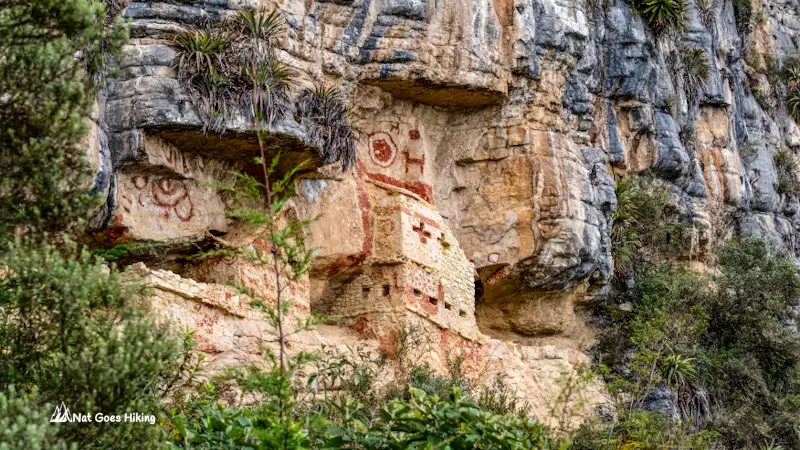
If you’ve already visited the Karajia Sarcophagi, you’ll notice some similarities. Both sites were built by the Chachapoya civilisation in dramatic cliffside locations that seem difficult to access. But they feel completely different. Karajia is famous for its towering anthropomorphic sarcophagi standing on a narrow ledge, while Revash feels more like an entire neighbourhood for the dead. Seeing both gives you a much broader understanding of Chachapoya burial traditions than either site alone.
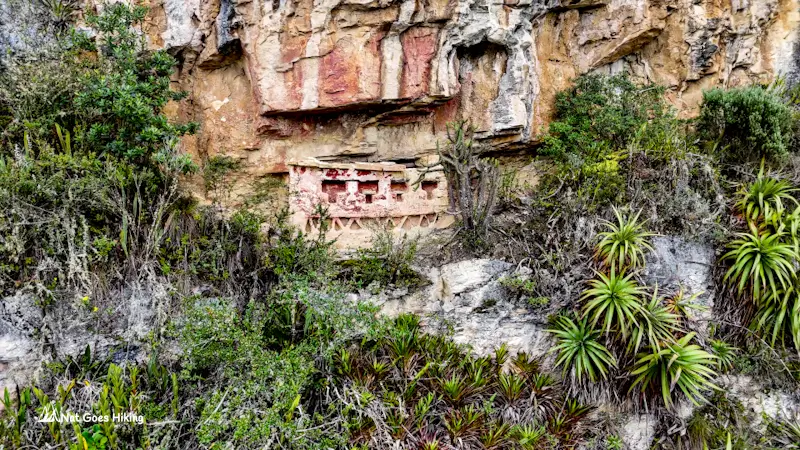
The scenery deserves a mention too. While the mausoleums are obviously the main attraction, the setting is equally impressive. You are surrounded by rolling green hills, dramatic cliffs, and lush valley views. Our group were the only visitors, so it felt very peaceful.
It felt remote and mysterious. I arrived expecting an interesting historical site, but I left thinking it was one of the most memorable places I visited in the Amazonas Region.
Leymebamba Museum: The Perfect Add-On
Most tours combine a visit to Revash with the Leymebamba Museum. This was one of the better museum stops I’ve made in Peru. It houses a huge collection of mummies, believed to be from Laguna de los Cóndores, along with textiles and artefacts from the Chachapoyas culture. Pairing it with Revash works really well.


Revash Mausoleums: Tour vs Independent
Why we visited the Revash Mausoleums as a Tour
I generally prefer to travel independently, but the Revash and Leymebamba Museum combo made more sense with a guide and driver.
There were two main reasons. First, while it’s possible to reach Revash independently, several travel resources mention that arranging transport back from San Bartolo can be unpredictable. I didn’t test this myself, so I can’t speak from personal experience.
Second, and more importantly, doing Revash and Leymebamba independently means splitting them across two separate days. The tour allows you to visit both in a single day. If you’re short on time in Chachapoyas, that’s a full day added back into your itinerary. Cost-wise, visiting independently over two days would likely be more expensive than joining a tour, as you would need accommodation for the extra night.
Worth knowing: this tour doesn’t run every day. We booked three days ahead, and even then, it only went ahead because Chachapoyas Travel had enough interest to put a group together. When we asked around, other agencies said they didn’t have the numbers that week. If Revash and Leymebamba are on your list, don’t leave the booking until the last minute.
Revash Mausoleums and Leymebamba Museum without a tour
If you prefer to visit the Revash Mausoleums and Leymebamba Museum independently, it is doable by public transport. We had a backup plan in case the tour didn’t go ahead. There are several options.
Option 1: Take a colectivo from Chachapoyas to Santo Tomas and ask to be dropped off near Revash. From there, there is a trail uphill to the Revash Mausoleums. It is about 3 km uphill with an elevation gain of around 600 m.
Option 2: Take a colectivo to Yerbabuena and, from there, a mototaxi to San Bartolo, which is the closest access point to Revash. The main issue with this option is that I have read reports that it can be difficult to find a mototaxi willing to take you to San Bartolo. The return mototaxi from San Bartolo can also be unpredictable.

Option 3: Take a colectivo to Yerbabuena and ask to be dropped off at Puente Santo Tomas (Santo Tomas Bridge). From there, you can walk up to the mausoleums. The route is 7 km with an elevation gain of around 850 m. The first 2.4 km follows the unsealed road towards Santo Tomas, while the remaining 4.6 km is a hiking trail.
After visiting Revash, you can walk back to Yerbabuena and take a colectivo to Leymebamba, where you can stay overnight. The following day, you can visit the Leymebamba Museum and then catch transport back to Chachapoyas or continue on to Celendín.
If you’re continuing from Leymebamba to Celendín, be prepared for one of the scariest rides in Peru. Between Balsas and Barro Negro Pass, the road climbs about 2,700 metres through countless hairpin bends, with narrow sections and steep drop-offs. Even after countless bus and colectivo rides in the Andes, I found this stretch of road quite scary.
We took a night bus from Cajamarca to Chachapoyas (in the opposite direction), so we passed this stretch of the road between Barro Negro Pass and Balsas when it was dark. Our bus was descending along a narrow cliffside road. The scariest moments were when there was oncoming traffic and the bus had to reverse in the dark. I was sitting by the window and could see that we were literally only a couple of centimetres from the edge. After we descended into the valley and looked back up at the road in the darkness, it looked like a huge vertical wall, with the vehicle lights slowly moving along the winding road.
Are Revash Mausoleums worth it?
In my opinion, the Revash Mausoleums paired with the Karajia Sarcophagi are absolutely worth a trip to Chachapoyas. Kuelap was the reason I travelled to Chachapoyas, but Revash and Karajia were the places I kept thinking about afterwards.
If I had to choose the archaeological sites that made the trip worthwhile, those two would be at the top of my list. Their cliffside settings, fascinating funerary architecture, relative lack of crowds, and uniqueness made a much bigger impression on me than I expected.
The hike in is scenic the whole way, through lush green landscapes. Then you see the mausoleums themselves, tucked into the cliff face like tiny fortified apartment blocks. There is something special about seeing these unique burial structures built directly into the rock face.
Revash Mausoleums and Leymebamba Museum FAQs
Yes, you can visit independently. You can take colectivo from Chachapoyas to Yerbabuena, then continue to San Bartolo by mototaxi, however, I came across some reports warn it may be tricky, especially for return trip from San Bartolo to Yerbabuena. That’s one of the main reasons we chose a tour, especially since it also included the Leymebamba Museum on the same day. If you’re also planning to see Leymebamba Museum, doing both independently means splitting them across two separate days, since they’re a fair distance apart.
In July 2025 we paid S/150 for the Revash Mausoleums and Leymebamba Museum tour. The price included return transport, a guide, all entrance fees and lunch. As of 2026, the same company, Chachapoyas Travel, is charging S/180; however, there may be promotions.
Not always. When we visited, the tour didn’t operate daily because agencies needed enough travellers to make the trip viable. We booked three days in advance, and only one operator was able to confirm a departure because they had enough expressions of interest for that week. If the Revash Mausoleums are high on your list, don’t leave booking it until the last minute.
Absolutely. The Revash Mausoleums were one of the highlights of my time in Chachapoyas. The scenic hike, peaceful setting and unique cliffside burial houses make this one of the most unique archaeological sites in northern Peru. If you’re interested in history and places that feel well off the tourist trail, Revash is well worth the trip.
Yes, and it pairs especially well with Revash. It houses one of Peru’s most important collections of Chachapoya artefacts, including hundreds of remarkably preserved mummies recovered from Laguna de los Condores. Visiting the museum after the Revash Mausoleums adds valuable historical context and makes the whole experience much more meaningful.
The hike to the Revash Mausoleums is considered easy to moderate. From San Bartolo, it’s about 2 km return on a well-maintained trail with some ups and downs. Most people with a reasonable level of fitness should have no trouble completing it. The only thing to keep in mind is the mausoleums are located at an altitude of ~2,800 m.
Yes. The easiest way is to join a Revash Mausoleums and Leymebamba Museum tour from Chachapoyas, which combines both attractions into a single day. Visiting independently is possible, but it usually requires splitting them across two days because of the distance between the sites and the logistics of San Bartolo. A tour like the one we did gets both done in a single day, which is a genuine time-saver if your Chachapoyas itinerary is tight.
The tour is a full-day experience. Ours started at 8:30 am in Chachapoyas and was scheduled to return at around 7 pm, although we arrived back a little later at around 8 pm. Our guide didn’t rush us at the Revash Mausoleums; also, considering the distance and mountain roads, we fell behind schedule. So I guess avoid booking anything time-sensitive for that same evening.
Want more inspiration for travel in Peru? Check out these posts:
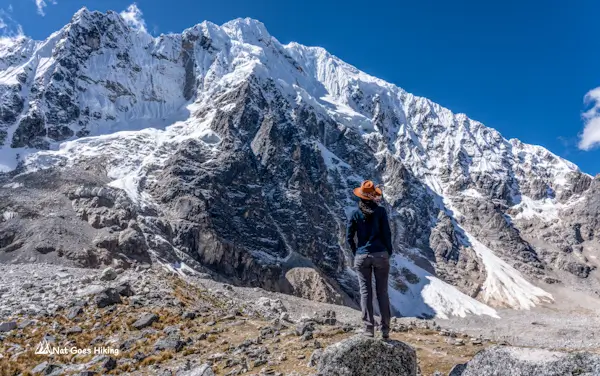
The Salkantay Trek is one of Peru’s best alternatives to the Inca Trail. In this guide, I break down each day on the trail, costs, difficulty, packing tips, and what it’s really like from my own experience hiking it.
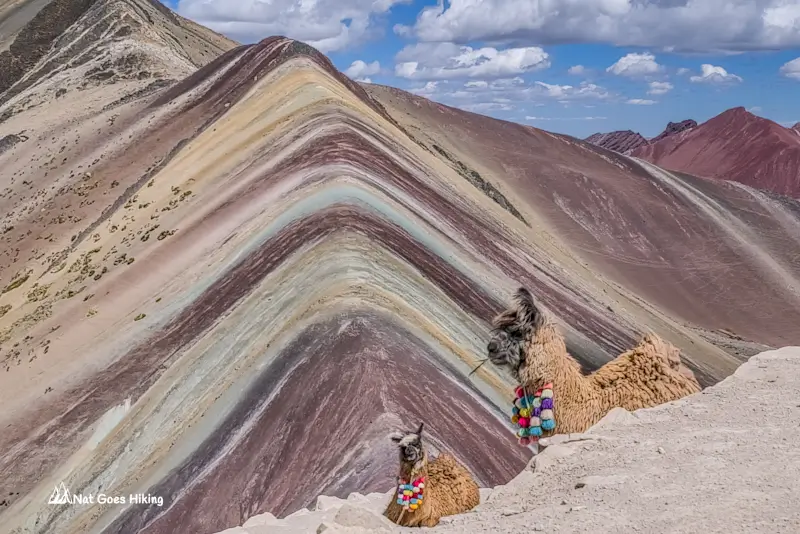
Planning to visit Vinicunca Rainbow Mountain? Here’s how I avoided the crowds at Rainbow Mountain, plus tips on going independently from Cusco.
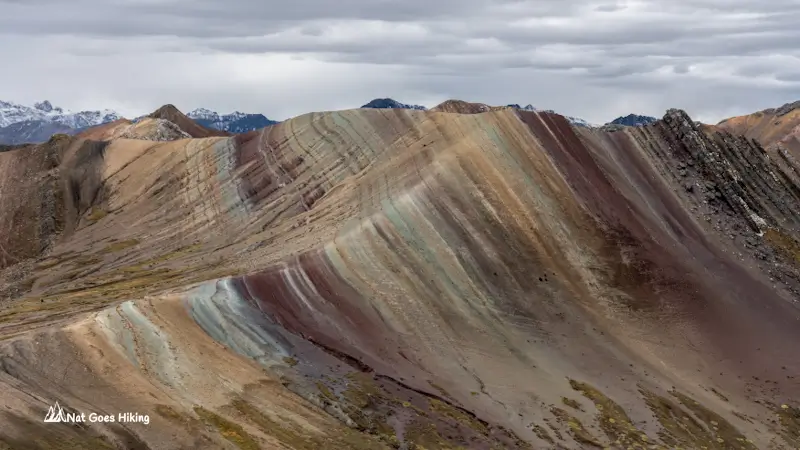
Looking for a quieter alternative to Vinicunca? Palccoyo offers multiple rainbow mountains, easier hiking, and far fewer crowds. Read my complete guide on how to visit without a tour.
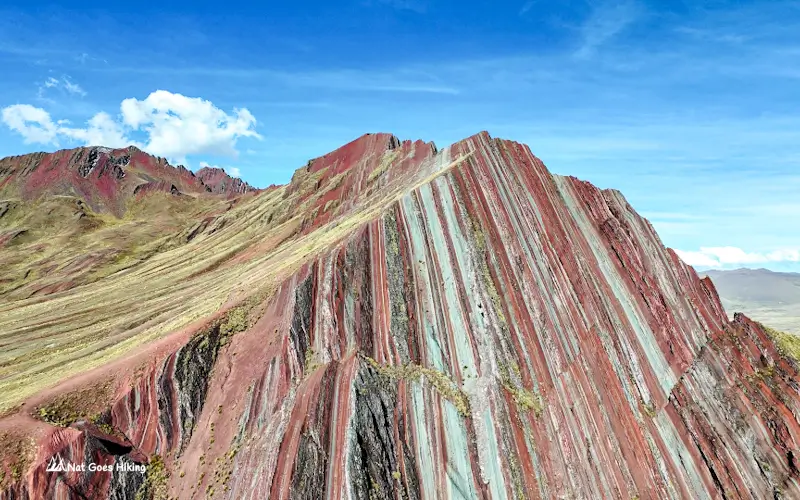
Want more inspiration for travel in Peru? Discover Pallay Punchu, an off‑the‑beaten‑path alternative to Rainbow Mountain you can visit without a guide.
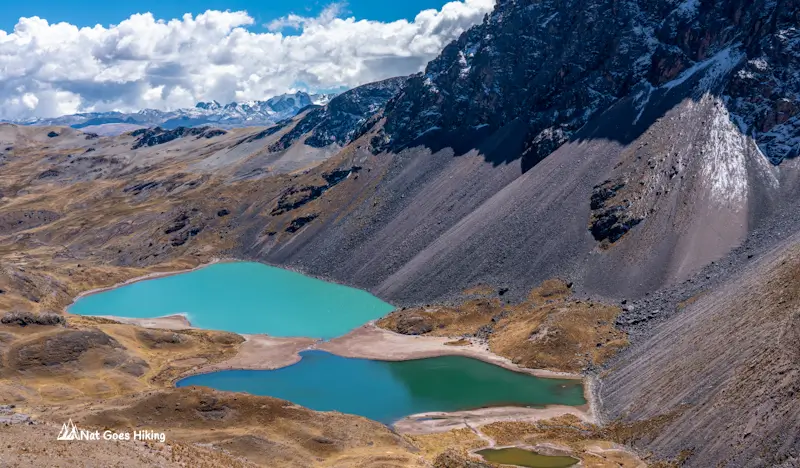
Seven colourful glacial lakes, views of Ausangate, alpacas roaming the valleys, and hot springs at the finish. We share our experience, costs, transport tips, and whether it’s worth doing without a tour.
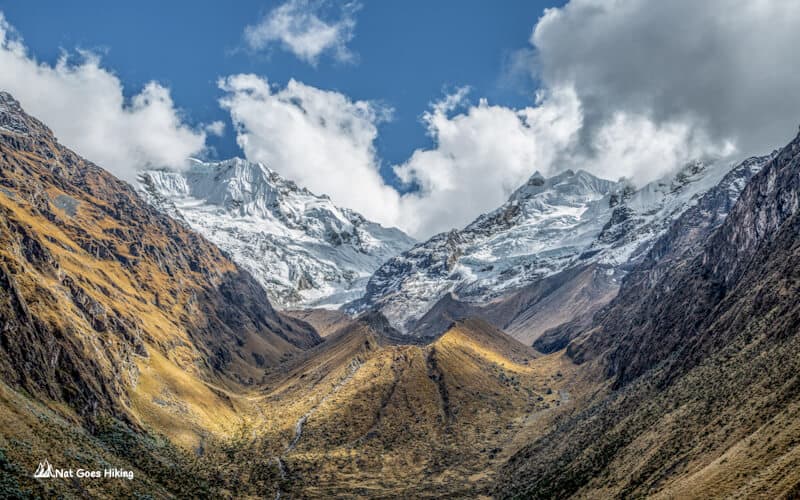
Want to hike to Machu Picchu without a guide? Choquequirao Trek is a great alternative to the Inca Trail. Learn everything you need here.
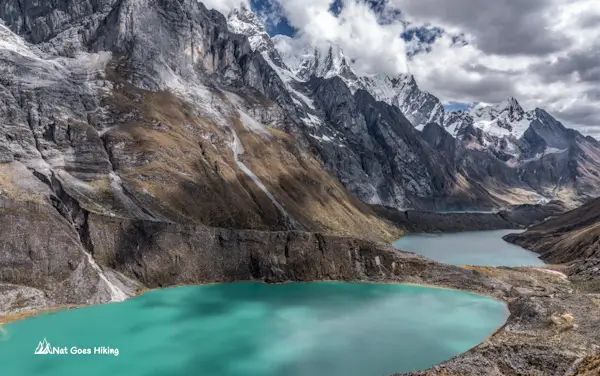
Short on time for the full Huayhuash Circuit? This 4-day mini Huayhuash Trek without a guide still includes some of the trek’s most iconic views.
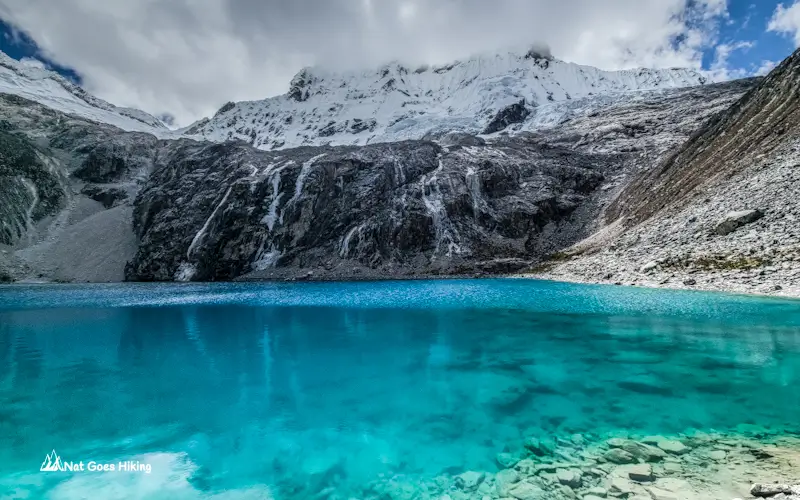
I hiked the Laguna 69 Hike in July 2025. Here’s what the photos don’t show: trail conditions, crowd levels, new 2026 access rules, costs, and more.
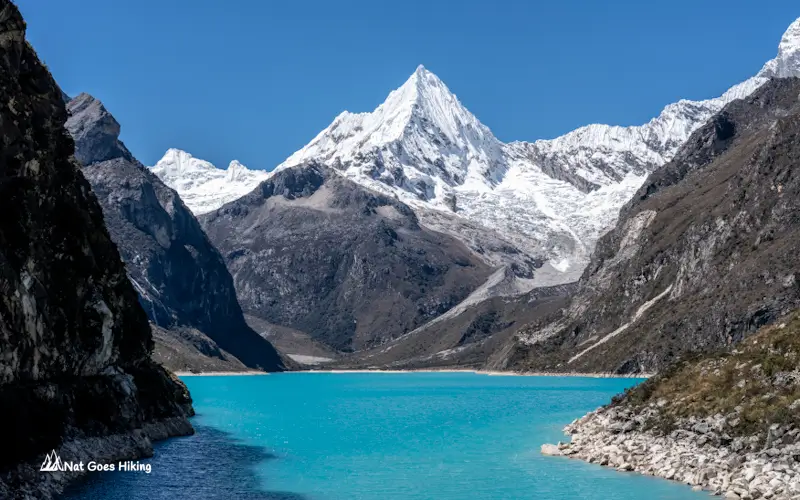
Planning hiking in Huaraz? Find the best day hikes and multi-day treks near Huaraz, including Laguna 69, Parón, Santa Cruz and Huayhuash with practical travel tips.
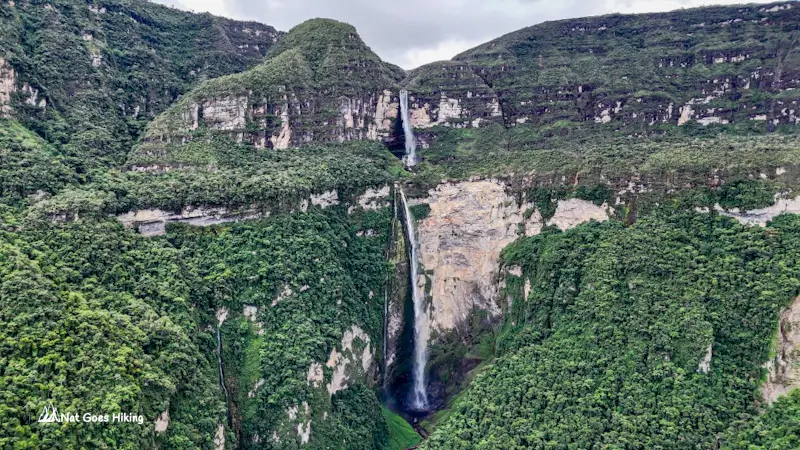
Planning the Gocta Waterfall hike? Learn about the trail, entrance fee, tour vs independent hike, costs, best time to visit and practical tips based on our July 2025 visit.