Pallay Punchu or Pallay Poncho is one of the three rainbow mountains in Peru. When most travelers think of Peru’s rainbow mountains, they picture Vinicunca, the popular and often crowded spot. But Pallay Punchu is an equally stunning yet far less visited alternative. Tucked away in the Layo District, this dramatic, multicolored ridge offers jaw-dropping views without the tourist crowds.
I visited Pallay Punchu in May 2025, and in this guide, I’ll show you exactly how to visit Pallay Punchu without a tour, including transport tips, hiking advice, and everything you need to know for an unforgettable independent adventure.
What Is Pallay Punchu?
Pallay Punchu is one of Peru’s alternative Rainbow Mountains, and honestly, it feels like a hidden gem. Its jagged ridges are streaked with striking natural colors, ranging from maroon and pink to greenish and turquoise, thanks to mineral-rich layers in the rock. The maroon and red tones come from iron oxide, the greenish and turquoise hues from chlorite and copper-rich minerals, while the white layers are formed by quartzite.
The name says it all: in Quechua, pallay punchu means decorated poncho, and once you see those layered stripes draped across the ridgeline, it’s hard to think of a better description.
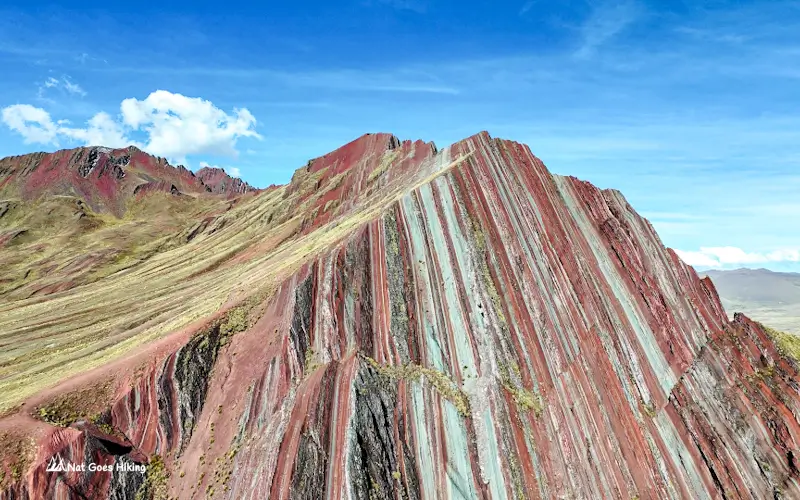
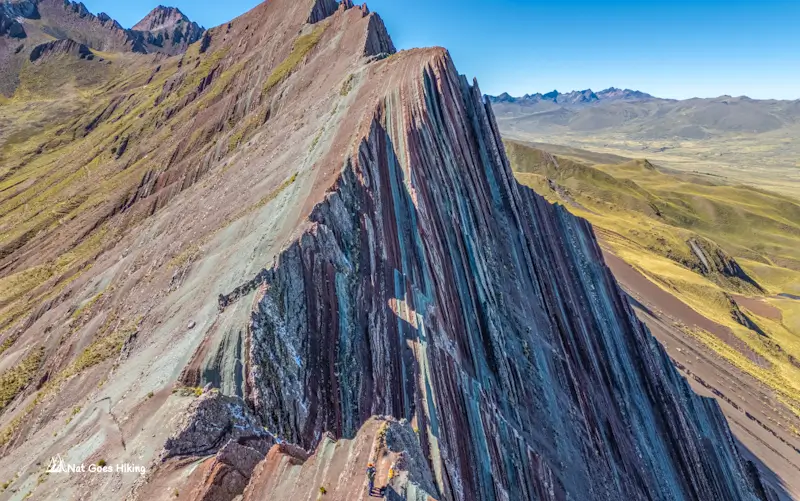
The patterns at Pallay Punchu are distinct from those of Vinicunca: they’re sharp and jagged, a dramatic difference to the smoother, rounded slopes of the more famous Rainbow Mountain.

Compared to Vinicunca, Pallay Punchu is truly off the beaten path. When we visited, we had the whole place almost to ourselves. On our way out, we met a local family heading up for a picnic and a man from nearby Layo town. There weren’t any organized tours that day.
If you love wild landscapes, zero crowds, and a bit of adventure, visiting Pallay Punchu is absolutely worth it. Plus, it’s completely doable without a tour.
I’ve visited all three Rainbow Mountains (the popular Vinicunca, the quieter Palccoyo, and the off-the-beaten-path Pallay Punchu). So if you’re trying to decide which one to visit near Cusco, I’ve compared them in detail here.
One thing to keep in mind: many of the photos online appear to be color-edited, and some were taken with drones. So certain angles and vibrant tones might not look exactly the same.
Where Is Pallay Punchu Located?
Pallay Punchu is situated approximately 190 km /118 mi southeast of Cusco, in the Layo District, Cusco Region, nestled near the edge of a stunning high-altitude lake called Laguna Langui. The nearest town is Layo. If you’re looking for the best off-the-beaten-path rainbow mountain in Peru, Pallay Punchu is the perfect option.

The highest altitude at Pallay Punchu is 4,782 m / 15,689 ft above sea level, so several days of acclimatisation in Cusco and lower-altitude hikes first is a must.
The landscape out here is wild and dramatic. Think vast open spaces and sharp, jagged ridges that seem to rise straight out of the earth. It’s remote, peaceful, and absolutely worth the journey if you’re after a more off-the-beaten-path rainbow mountain experience.

How to Get to Pallay Punchu without a tour from Cusco: Step-by-Step guide
If you’re traveling on a budget or prefer the adventure of going independently, you can absolutely visit Pallay Punchu without a tour. It takes some planning and patience, but it’s easily doable, and much cheaper than booking with an agency. So, if you are doing it on your own, you need to get to the small town of Layo, which is the closest town to Pallay Punchu. I recommend doing it as a 2-day trip from Cusco. Here’s exactly how we did it using local public transport from Cusco:

Step 1: Getting from Cusco to Sicuani
Start your day early and head to the Terminal Cusco – Sicuani Los Rápidos on Avenida Huayruropata. This is the main hub for public buses to Sicuani, which depart frequently as soon as they fill up.
Getting to the terminal
You can walk (it’s about 2.1 km /1.3 mi from the historic center), or
Grab an InDrive/Uber or local taxi. We took an InDrive taxi for around 10 soles.
We didn’t have to wait long. Our bus left around 7:00 AM, and the ride to Sicuani took approximately 3 hours and 20 minutes. It was a smooth journey through highland landscapes. Buses arrive at Terminal Terrestre Sicuani.
Ticket price: 10 soles (approx. USD 2.80).
Step 2: Getting from Sicuani to Layo
From Sicuani, your next stop is the small town of Layo, which is the closest town to the Pallay Punchu trailhead.
You’ll need to get to the colectivo station (Paradero de Sicuani a Layo), located about two blocks from the Terminal Terrestre Sicuani, at the corner of Jr. 10 de Enero and Jr. Salvador Allende. You can walk there or take a quick tuk-tuk ride for 1.5 soles per person.
Colectivos to Layo depart when all seats are taken, so be prepared to wait. We waited for about 1 hour until there were enough passengers. The ride itself took 1 hour and 25 minutes.
We arrived in Layo around 12:30 PM, so the total travel time from Cusco to Layo was roughly 6 hours.
Colectivo fare: 6 soles (about USD 1.70).
Don’t hesitate to ask locals for directions – they’re usually happy to help.
Quick Lunch Stop in Layo
Since we arrived right around lunchtime, we stopped for a quick meal just a short walk from the Plaza de Armas. Menu del día (set lunch) cost us only 7 soles.
Step 3: Getting from Layo to Pallay Punchu Trailhead
The trailhead is located 8 km /5 mi north of Layo. If you don’t want to walk, you can take a taxi from Layo to the trailhead.
The walk from Layo toward the trailhead is scenic, with mountains ahead of you and alpacas grazing along the way. The road is unsealed dirt, but there were no cars on it when we walked, so no dust at all. We stopped for the night at Apu T’Acllo Lodge, roughly halfway between Layo and the trailhead, around 3.5 km / 2.2 mi from Layo. However, if you don’t want to stay overnight near Pallay Punchu, continue along this road to the trailhead.
If you visit Pallay Punchu independently without a tour, and want to do it as a day trip from Cusco, you need to come as early as possible.
Walk from Apu T’Acllo Lodge to the Pallay Punchu trailhead
Since we walked from our lodge, it was roughly 5 km /3.1 mi to get to the trailhead, and it took about 1.5 hours to reach the trailhead on foot.
The hike starts relatively flat, but soon becomes a steady uphill climb. The total elevation gain to the Pallay Punchu trailhead is approximately 400 m / 1,312 ft.

Accommodation near Pallay Punchu
If you don’t want to be in a rush, it’s worth spending a night in Layo and visiting Pallay Punchu the following morning. I do recommend doing it as a 2-day trip. According to Google Maps, there are only a couple of hostels in Layo, but not much information about them online.
We decided to stay just outside of Layo at Apu T’Acllo Lodge. It’s the best accommodation option near Pallay Punchu. The lodge is located about 3.5 km /2.2 mi from Layo and even closer to the trailhead, which makes it super convenient for an early-morning start.
The room was very clean and cozy, with comfy beds, fresh sheets, and a clean shared bathroom. The house is newly built, and the owner, Julia, was incredibly welcoming and made us feel at home.
You can check availability and make a booking for Apu T’Acllo Lodge on Booking.com or Agoda. At the time we stayed, there was only one room in the lodge, but more rooms were being built. Still, it’s best to book in advance.

Entrance Fee to Pallay Punchu
Some tour agency websites mention an entrance fee of 10 soles, but it’s unclear to whom the fee is paid. When we visited, there was no booth or anyone collecting payment at the trailhead or along the route.
Pallay Punchu Hike
Pallay Punchu Hike: Quick Overview
- Distance from Layo (Plaza de Armas) to trailhead: 8 km / 5 mi
- Hike distance: 3 km / 1.9 mi
- Elevation gain (hike only): 205 m / 673 ft
- Distance from trailhead to Occobamba: 7.5 km / 4.7 mi
- Total distance (Layo to Occobamba): 18.5 km / 11.5 mi
- Total elevation gain from Layo: 780 m / 2,559 ft
- Highest elevation: 4,782 m / 15,689 ft
- Difficulty: Moderate
Once you reach the trailhead, the hike around Pallay Punchu is about 3 km and takes around 1.5 to 2 hours, depending on how often you stop for photos.
We set off from our accommodation at 5:30 am on a clear May morning. It was freezing, but the sky was completely clear, so the early start was worth it. By the time we reached the trailhead, the sun was already up.
The trail goes upward with 205 m of elevation gain. It’s a steep dirt trail, but nothing technical. On many hikes in Peru, you can hire a horse, but it’s not the case with Pallay Punchu. At this stage, there are no horses available.

We spent about 2.5 hours in total, including time for taking photos, filming videos, and flying a drone. We also decided to hang around for a while to let the sun shift and light up the colorful layers more dramatically. The light moved slowly up, and eventually we decided to head down rather than wait it out.
The colourful mineral layers of Pallay Punchu are even more striking in person than in photos: raw, jagged, and completely untouched by the crowds.
One thing worth knowing: fog is possible, especially early in the morning. Much of it rolls in from Laguna Langui on the other side of the mountain, but in our experience, it was perfectly clear.

Pallay Punchu Hike difficulty
I’d rate the Pallay Punchu hike as moderate. It is manageable for most reasonably fit hikers. The trail is not technical, and the distance is only 3 km /1.9 mi with 205 m / 673 ft elevation gain.
At sea level, those stats alone would make it an easy walk, but the altitude is the real challenge here. At 4,782 m / 2,559 ft above sea level, even a short climb will have you breathing harder than usual, so don’t underestimate it if you haven’t acclimatised in Cusco first.

Getting from Pallay Punchu back to Cusco
Step 1: Hike from Pallay Punchu to Occobamba
Instead of backtracking to Layo, we continued our journey by walking to Occobamba, a small village located on the other side of Pallay Punchu. It is located on Ruta PE-3S (PE-3S highway) connecting Cusco and Puno.
The hike took us about 2 hours and was a scenic descent through quiet valleys and grazing lands used by local shepherds.
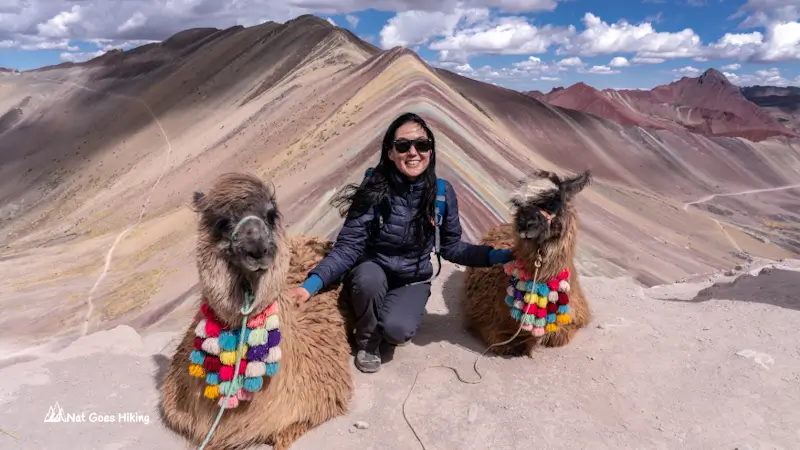
Along the way, we passed plenty of alpacas, llamas, donkeys, and cows. It’s a peaceful and authentic look into rural life in this part of Peru.
The terrain can become muddy after rain, and you’ll need to cross a river that cuts across the road three or four times. At most crossings, you can hop over rocks, but at one point, we had to find a narrower section to jump across, as the water was too deep and wide.

In total, the full journey from the lodge to Occobamba via Pallay Punchu took 6.5 hours (5:30 am to 12:00 pm), covering 14.1 km. That included the walk from the lodge to the trailhead, the Pallay Punchu hike itself, and the descent to Occobamba, plus time stopped for drone footage, video, and waiting for the light to shift for better photos. If you’re just hiking without stopping to shoot, you’d probably do it faster.
Step 2: Getting from Occobamba to Sicuani
Once we reached the main road in Occobamba, we were lucky: a colectivo picked us up within a couple of minutes.
Colectivo fare to Sicuani: 4 soles.
Duration: About 40 minutes.
In Sicuani, the colectivo dropped us about two blocks from Terminal Terrestre Sicuani: an easy 5–10 minute walk.
As mentioned, Occobamba is located on Ruta PE-3S (PE-3S highway), which connects Cusco and Puno. So, if your next destination is Puno, you don’t need to travel all the way back to Cusco. Instead, take a colectivo to Sicuani and take a bus heading to Puno
Step 3: Getting from Sicuani to Cusco
From Sicuani to Cusco, the journey takes about 3.5 to 4 hours, depending on traffic and departure time. Buses to Cusco leave from Terminal Cusco – Sicuani.
Ticket price: 10 soles.
Rainbow Mountains Comparison: Pallay Punchu vs Vinicunca vs Palccoyo
If you have time for only one mountain and are deciding which rainbow mountain to visit near Cusco, below is a quick comparison to help you choose. I visited all three Rainbow Mountains, so it is based on my personal experience.
| Vinicunca | Palccoyo | Pallay Punchu |
|---|---|---|
CrowdsExtremely highMost popular Rainbow Mountain |
CrowdsModerate – tour groups, but far fewer than Vinicunca |
CrowdsVery low – off the beaten path |
Hike DifficultyModerate-High (~3-4 hr) |
Hike DifficultyEasy (~1-1.5 hr) |
Hike DifficultyModerate (~1.5 hr) |
Hike DetailsOption 1: Checacupe-Pitumarca routeDistance ~4 km / 2.5 mi Elevation gain ~321 m / 1,053 ft Option 2: Cusipata route Distance ~7 km / 4.3 mi Elevation gain ~386 m / 1,266 ft Highest elevation: ~5,036 m / 16,522 ft Trail: dusty Horses available for part of the hike |
Hike DetailsDistance ~3 km / 1.9 mi (3.5 km / 2.2 mi incl. stone forest)Short hike from parking lot Elevation gain ~140 m / 459 ft Highest elevation: ~4,920 m / 16,141 ft Trail: stone-paved with some dirt and gravel Horses not available |
Hike DetailsWith transport to trailhead: ~3 km / 1.9 mi, ~200 m / 656 ft gainWalking from Layo to Occobamba: ~18.5 km / 11.5 mi, ~750 m / 2,461 ft gain Highest elevation: ~4,782 m / 15,689 ft Trail: dusty Horses not available |
Max Altitude~5,036 m / 16,522 ft |
Max Altitude~4,920 m / 16,141 ft |
Max Altitude~4,782 m / 15,689 ft |
ViewsIconic rainbow mountainRed Valley Mount Ausangate (closer than from Palccoyo) |
ViewsMultiple rainbow slopesStone Forest Mount Ausangate |
ViewsSharp jagged colourful ridgesPanoramic valley Laguna Langui |
Llamas or Alpacas for PhotosYes |
Llamas or Alpacas for PhotosYes |
Llamas or Alpacas for PhotosAlong the trail, but not staged with handlers |
Tour Required?No – but most visitors go on a group tourDaily group tours available |
Tour Required?No – but most visitors go on a group tourDaily group tours available |
Tour Required?No – easily done independentlyNo daily group tours; private tours can be arranged |
Best ForFirst-time visitors, iconic views |
Best ForThose who want an easier hike with less crowds |
Best ForAdventure seekers, wild and peaceful experience |
In conclusion, if you want fewer crowds and a more authentic off-the-beaten-path experience, Pallay Punchu is the best choice. Vinicunca is great for iconic Instagram shots, while Palccoyo works best if you want an easier hike.
For more detailed information on how to visit Vinicunca and Palccoyo, read my posts: Vinicunca Rainbow Mountain: How to visit without crowds in 2026 and Palccoyo Rainbow Mountain Guide: How to visit without a tour.
Is Pallay Punchu Worth It?
Pallay Punchu is absolutely worth visiting, especially if you prefer quieter, more independent travel experiences. Compared to the more famous Vinicunca Rainbow Mountain, it feels far more remote and untouched, which is one of its biggest advantages.
When we visited, we had the whole place almost to ourselves. Only on our way out, we crossed paths with a local family heading up for a picnic and a man from nearby Layo town. It was very peaceful. That made the experience feel more personal and immersive. It’s hard to believe a landscape this dramatic, with a relatively short hike, still sees almost no visitors, especially when other natural destinations in Peru attract huge crowds.
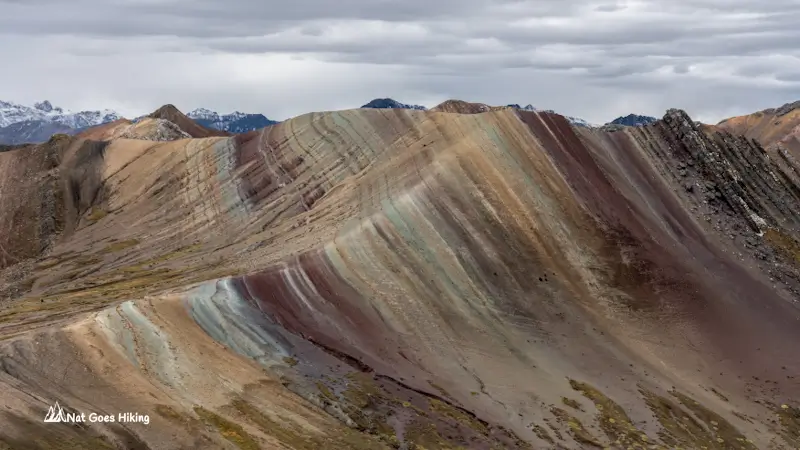
The scenery itself is also very different from Vinicunca. Instead of the smooth, sweeping rainbow slopes at Vinicunca and Palccoyo, Pallay Punchu is known for its sharp, jagged ridges that resemble a patterned Andean poncho. The formations are dramatic and unusual, unlike anything else I’ve seen in the Cusco region.
In terms of altitude, Pallay Punchu is slightly lower than Vinicunca: 4,782 m (15,689 ft) vs 5,036 m (16,522 ft). But it’s still a high-altitude hike, so acclimatising in Cusco first is non-negotiable.
I’ve visited all three Rainbow Mountains in Peru, and it’s hard to choose the best, but my personal favourite is Pallay Punchu: the landscape is out of this world, and the atmosphere is incredibly peaceful.
If you’re deciding between the Rainbow Mountains, Pallay Punchu is off the beaten path and best suited for travellers who want something less crowded, more raw, and more adventurous.
Pallay Punchu Without a Tour: How Much Does It Cost?
Tours to Pallay Punchu from Cusco agencies cost around S/120 per person. This is the price we were quoted in May-June 2025. Because Pallay Punchu is less popular than Vinicunca or Palccoyo, group tours are not available every day. However, you can arrange a private tour, although this will be more expensive.
Below is the breakdown of our actual costs of visiting Pallay Punchu independently in 2025:
Cost Breakdown: Visiting Pallay Punchu without a tour (2 people)
- Taxi to bus station in Cusco: S/10
- Bus from Cusco to Sicuani: S/10 × 2 = S/20
- Colectivo from Sicuani to Layo: S/6 × 2 = S/12
- Colectivo from Occobamba to Sicuani: S/4 × 2 = S/8
- Bus from Sicuani to Cusco: S/10 × 2 = S/20
- Lunch in Layo: S/7 × 2 = S/14
- Accommodation in Layo: S/160
- Lunch in Sicuani: S/5 × 2 = S/10
- Drinks in Sicuani: S/4
As you can see, accommodation was the largest expense, costing S/160 at Apu T’Acllo Lodge. If you are travelling on a tight budget, there are also hostels available in Layo. The total return transportation cost came to S/35 per person.
Our total costs came to S/129 per person, which was slightly more expensive than joining an organised group tour (S/120). For us, it was worth it, as we enjoy travelling independently and having more flexibility with our itinerary.
Pallay Punchu: What to pack
- Wear layers: a base layer, a fleece, and a light down jacket. You can easily take layers off or add them back on as needed during the hike.
- Gloves and a warm hat: these come in handy in early morning or if it gets windy.
- Rain jacket: useful if it rains, and it also works well as wind protection.
- Sun protection: the sun in the Andes is intense. Pack SPF sunscreen, SPF lip balm, sunglasses, and a hat or cap to stay safe at high altitude.
- Comfortable hiking shoes or trail runners with good grip.
- Water and snacks: Either bring drinks and snacks from Cusco or buy in Layo or Sicuani.
- Cash: bring enough cash for buses and colectivos, drinks or snacks, lunch in Layo /Sicuani. There are no ATMs in Layo and Occobamba. The nearest ATM is in Sicuani. There’s Banco de la Nación ATM, which doesn’t charge a commission for foreign cards.
- Tissues /toilet paper
- Personal items: If you plan to stay overnight in Layo, bring any personal items you may need.
Pallay Punchu FAQ
The dry season, from May to September, is the best time to go. During these months, the trail is dry, the skies are clear, and the sun is usually out, all of which help you see the full range of colors
Absolutely, especially if you enjoy visiting places independently and prefer quieter destinations. Pallay Punchu has a very peaceful atmosphere, and if you want to avoid crowds, it is a great choice. The views are unique, with sharp, jagged rainbow-coloured ridges that create a landscape unlike many other places around Cusco. Even if you have already visited Vinicunca Rainbow Mountain, I still recommend visiting Pallay Punchu, as it offers a completely different landscape and a much quieter experience.
Yes, it’s easy to visit Pallay Punchu without a tour using public transport from Cusco. Take a bus to Sicuani (10 soles, around 3.5 hours), then a colectivo to Layo (6 soles, around 1.5 hours). From Layo, the trailhead is 8 km away. You can walk, hire a taxi, or arrange a lift through your accommodation.
35 soles / $9.6 for the return trip from Cusco (per person).
You can visit Pallay Punchu without a tour or a guide. You can easily reach it by public transport from Cusco.
Tour agencies mention an entrance fee of 10 soles, but when we visited, there was no one collecting it.
There are no ATMs in Layo. The nearest ATM is in Sicuani, where you can find Banco de la Nación ATM, which doesn’t charge a commission for foreign cards. Sicuani is where you change from a bus to a shared minivan.
The highest point on the Pallay Punchu hike is 4,782 m, so it’s very important to be properly acclimated before attempting it.
It is recommended to spend at least 2-3 days in Cusco (around 3,400 m) before attempting the hike, with 3-4 days being ideal if you are arriving from sea level.
It is also a good idea to do some hikes at slightly lower altitudes around Cusco or in the Sacred Valley to help your body adjust.
Even with proper acclimatisation, Pallay Punchu is still a high-altitude hike, so keep a steady pace and stay well hydrated.
Related Posts
Want more inspiration for travel in Peru and Bolivia? Check out these posts:
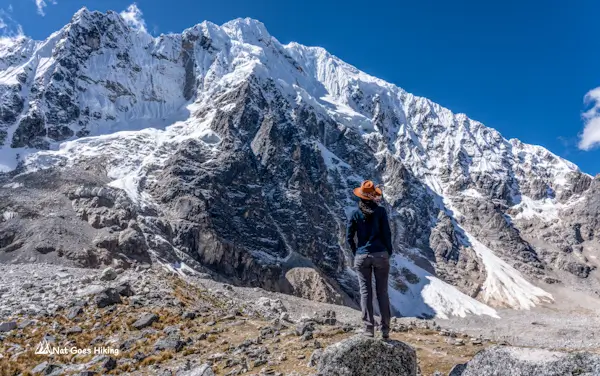
The Salkantay Trek is one of Peru’s best alternatives to the Inca Trail. In this guide, I break down each day on the trail, costs, difficulty, packing tips, and what it’s really like from my own experience hiking it.
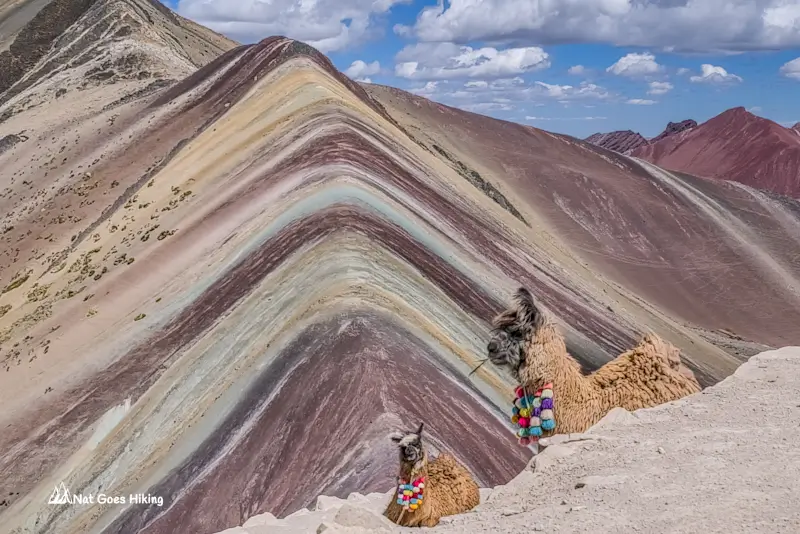
Planning to visit Vinicunca Rainbow Mountain? Here’s how I avoided the crowds at Rainbow Mountain, plus tips on going independently from Cusco.
Looking for a quieter alternative to Vinicunca? Palccoyo offers multiple rainbow mountains, easier hiking, and far fewer crowds. Read my complete guide on how to visit without a tour.
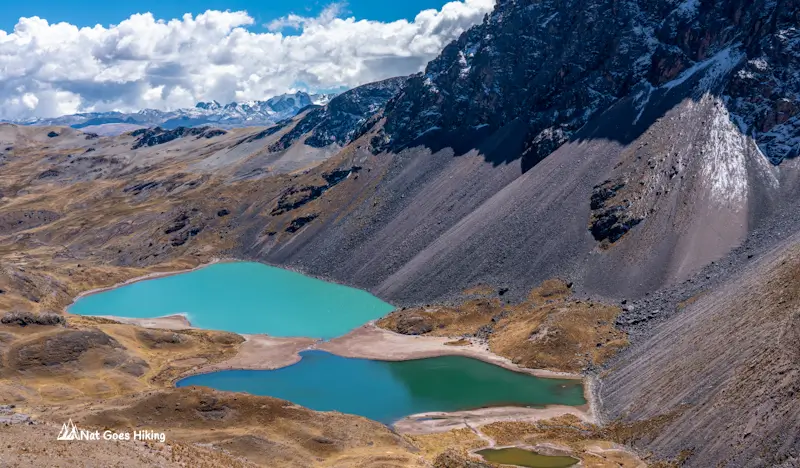
Seven colourful glacial lakes, views of Ausangate, alpacas roaming the valleys, and hot springs at the finish. We share our experience, costs, transport tips, and whether it’s worth doing without a tour.
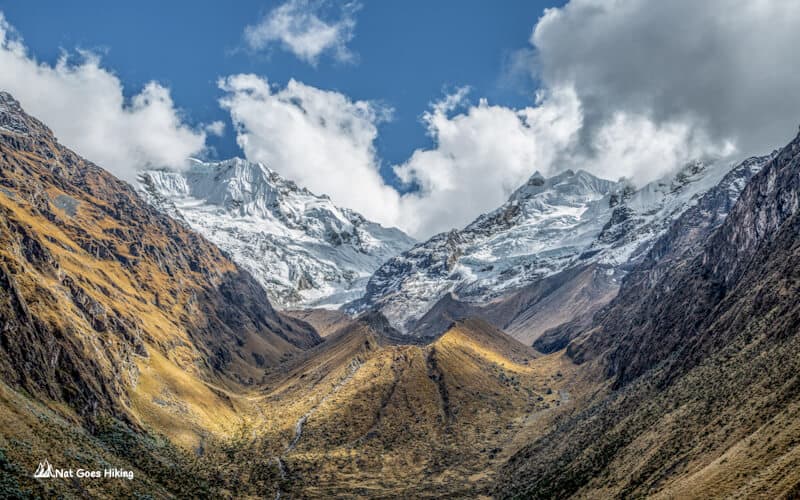
Want to hike to Machu Picchu without a guide? Choquequirao Trek is a great alternative to the Inca Trail. Learn everything you need here.
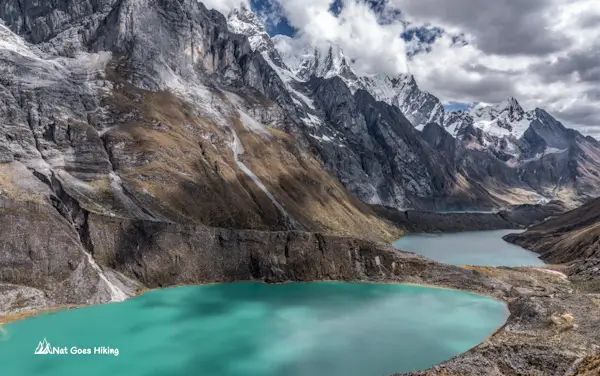
Short on time for the full Huayhuash Circuit? This 4-day mini Huayhuash Trek without a guide still includes some of the trek’s most iconic views.
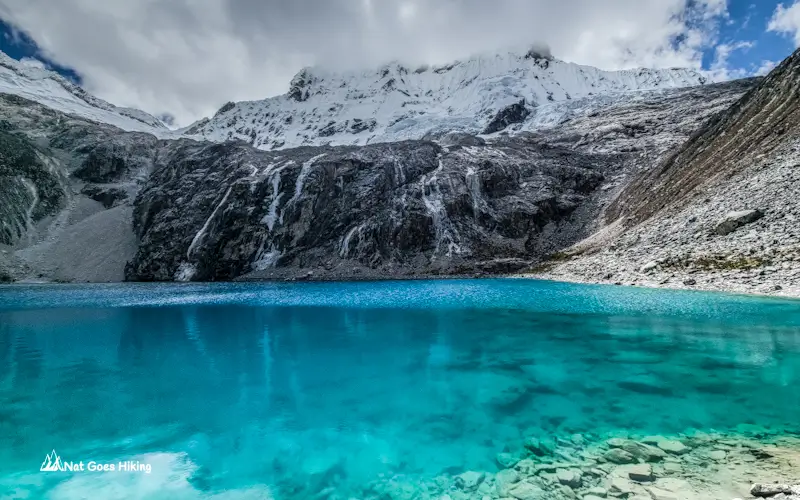
I hiked the Laguna 69 Hike in July 2025. Here’s what the photos don’t show: trail conditions, crowd levels, new 2026 access rules, costs, and more.
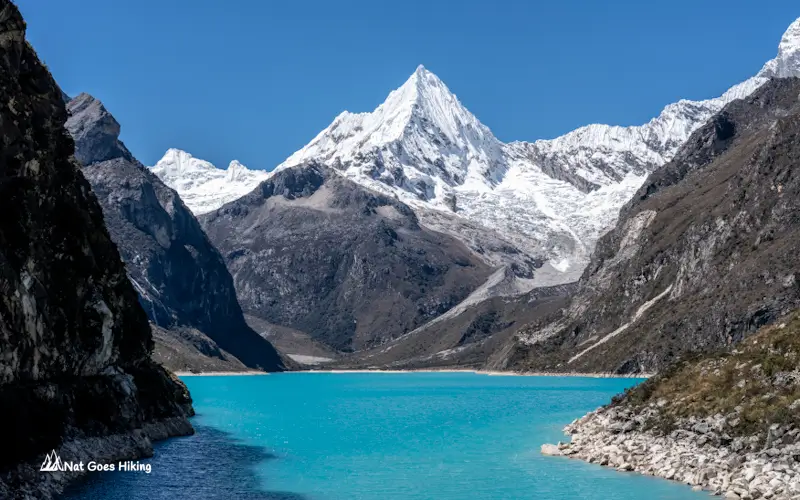
Planning hiking in Huaraz? Find the best day hikes and multi-day treks near Huaraz, including Laguna 69, Parón, Santa Cruz and Huayhuash with practical travel tips.
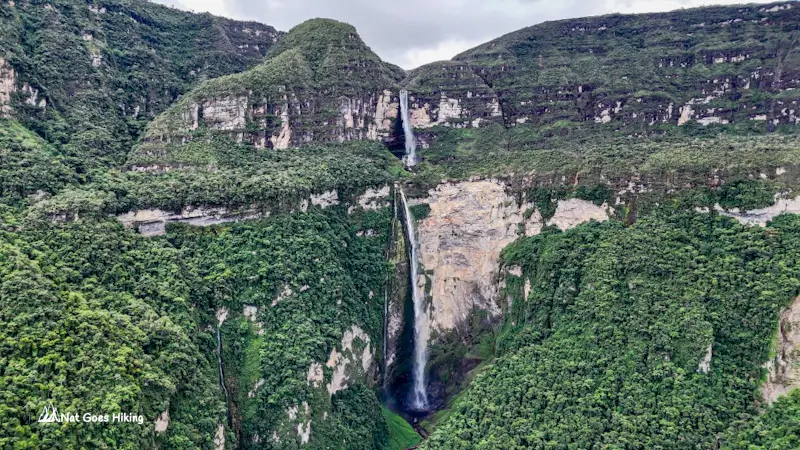
Planning the Gocta Waterfall hike? Learn about the trail, entrance fee, tour vs independent hike, costs, best time to visit and practical tips based on our July 2025 visit.
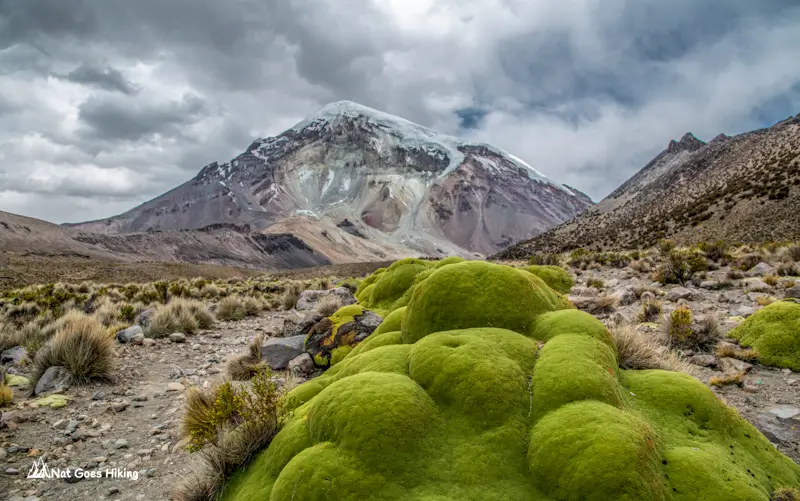
Sajama National Park is Bolivia’s hidden gem. This travel guide covers what to do, how to get there, where to stay, and useful tips from our experience.
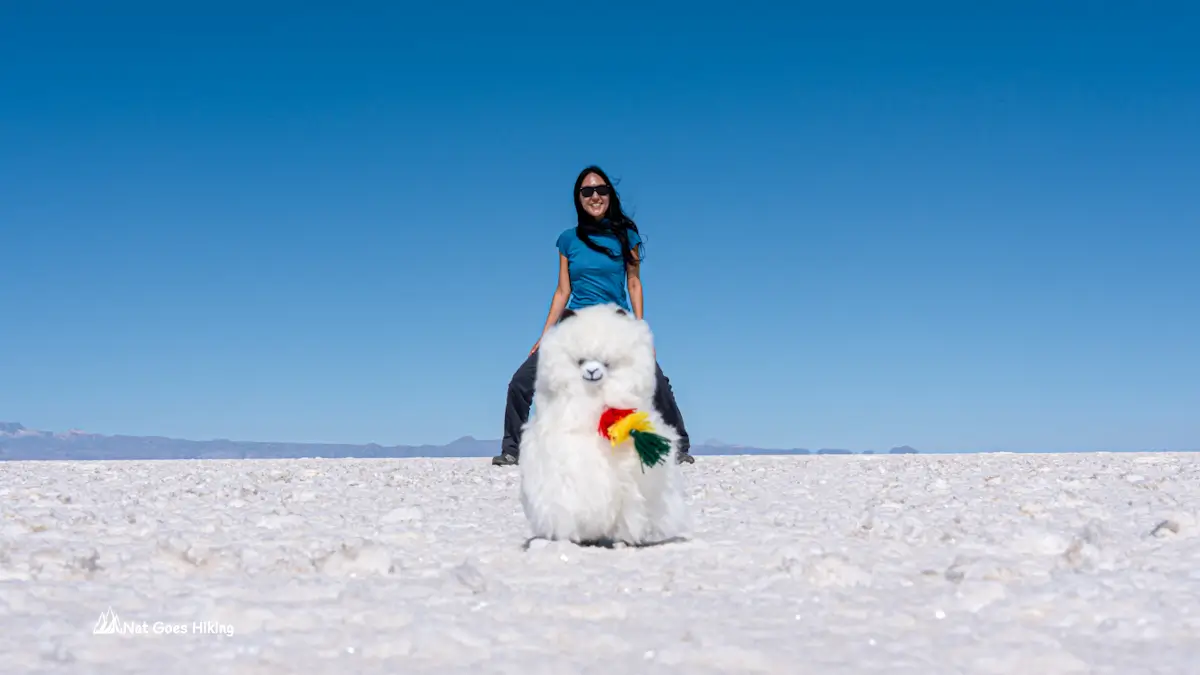
Planning a trip to Salar de Uyuni? Discover what to expect, the best time to visit, and whether to go independently or join a tour..
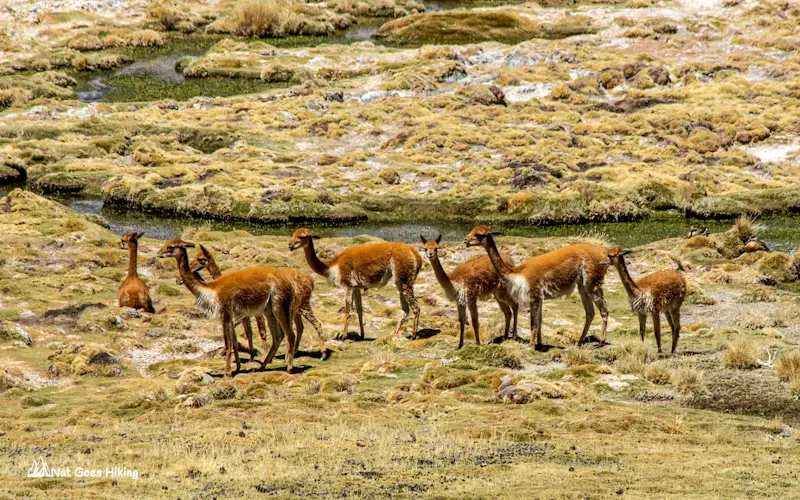
Although Bolivia is one of the most underrated countries, it has so much to offer. Wondering what the top things to do in Bolivia are?